THE LEGEND TITANIC
Titanic was one of three Olympic Class ocean liners built by Harland & Wolff, Belfast, for The White Star Line. The first of the Class, R.M.S. Olympic, was built as hull no.400, and launched on October the 20th 1910. All three of the ships were specifically designed to provide the most luxurious trans-Atlantic travel from Southampton to New York. At the time of her completion in 1911, Olympic was the largest ship in the world, with a length of approximately 882 feet (269 metres) and a gross tonnage of 45,324. She could carry more than 2,300 passengers. Sister ship Titanic, practically identical to Olympic, was also built by Harland & Wolff’s Belfast shipyard, as hull no.401, and was launched on the 21st of May 1911.


Images: Harland & Wolff Collection National Museum NI
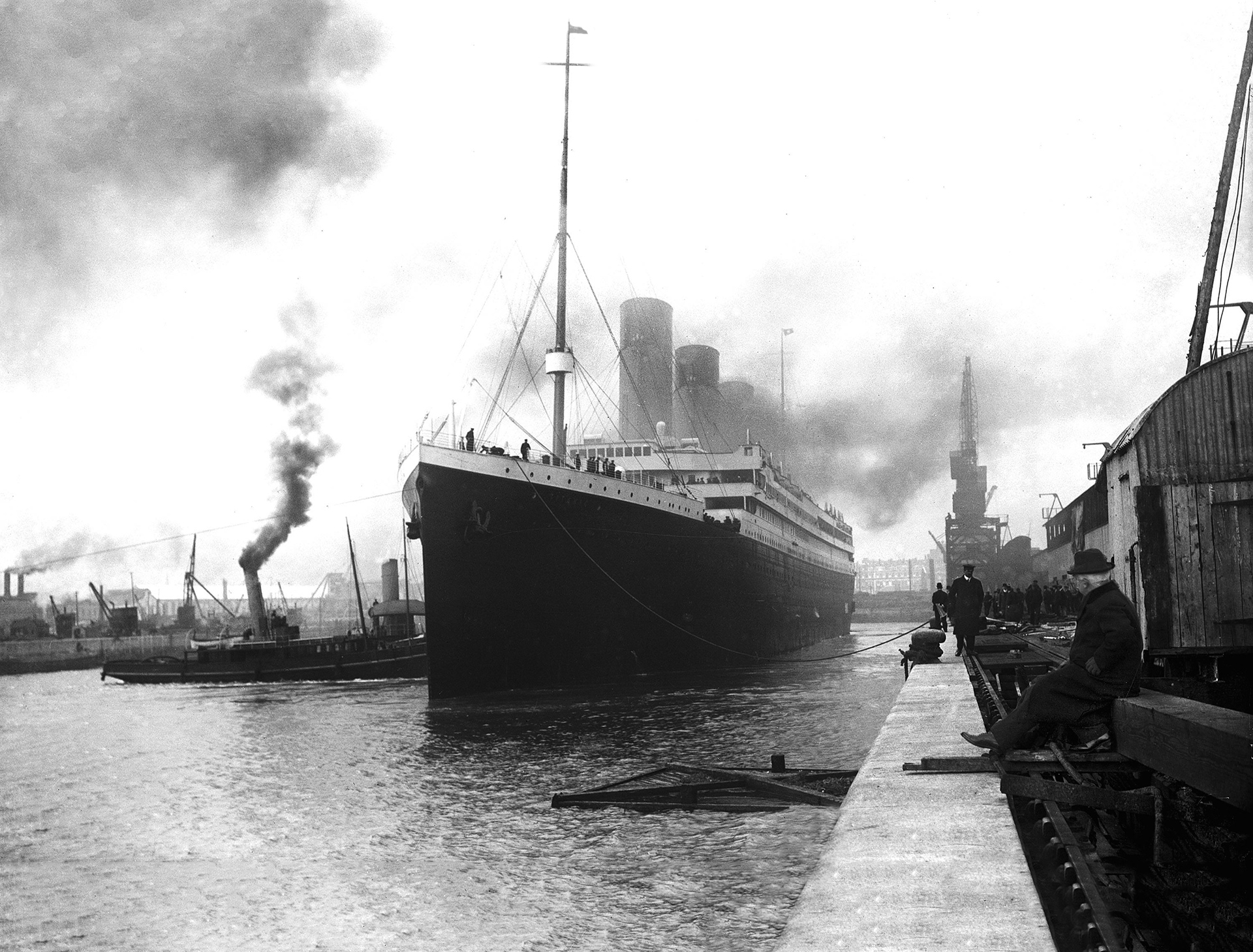
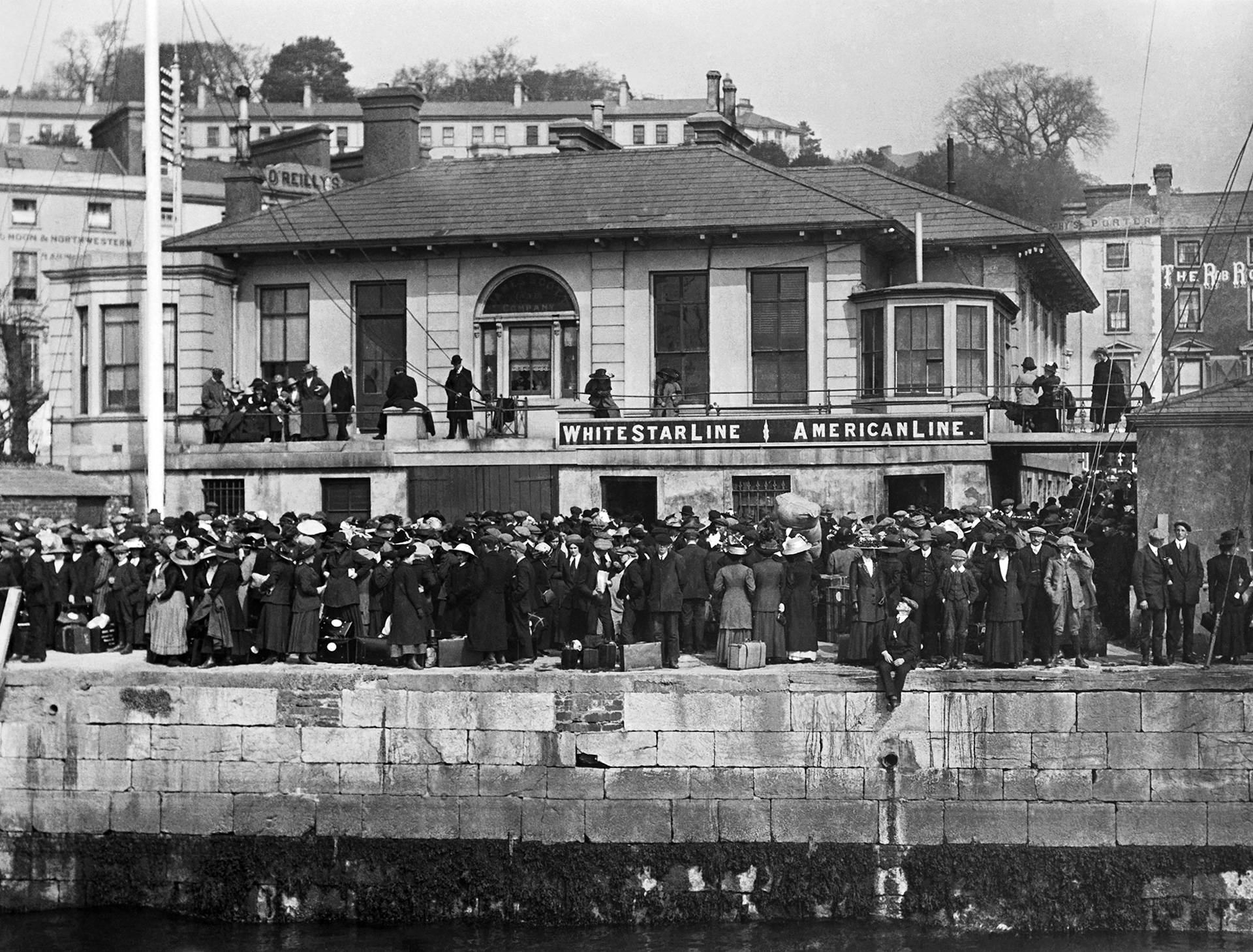
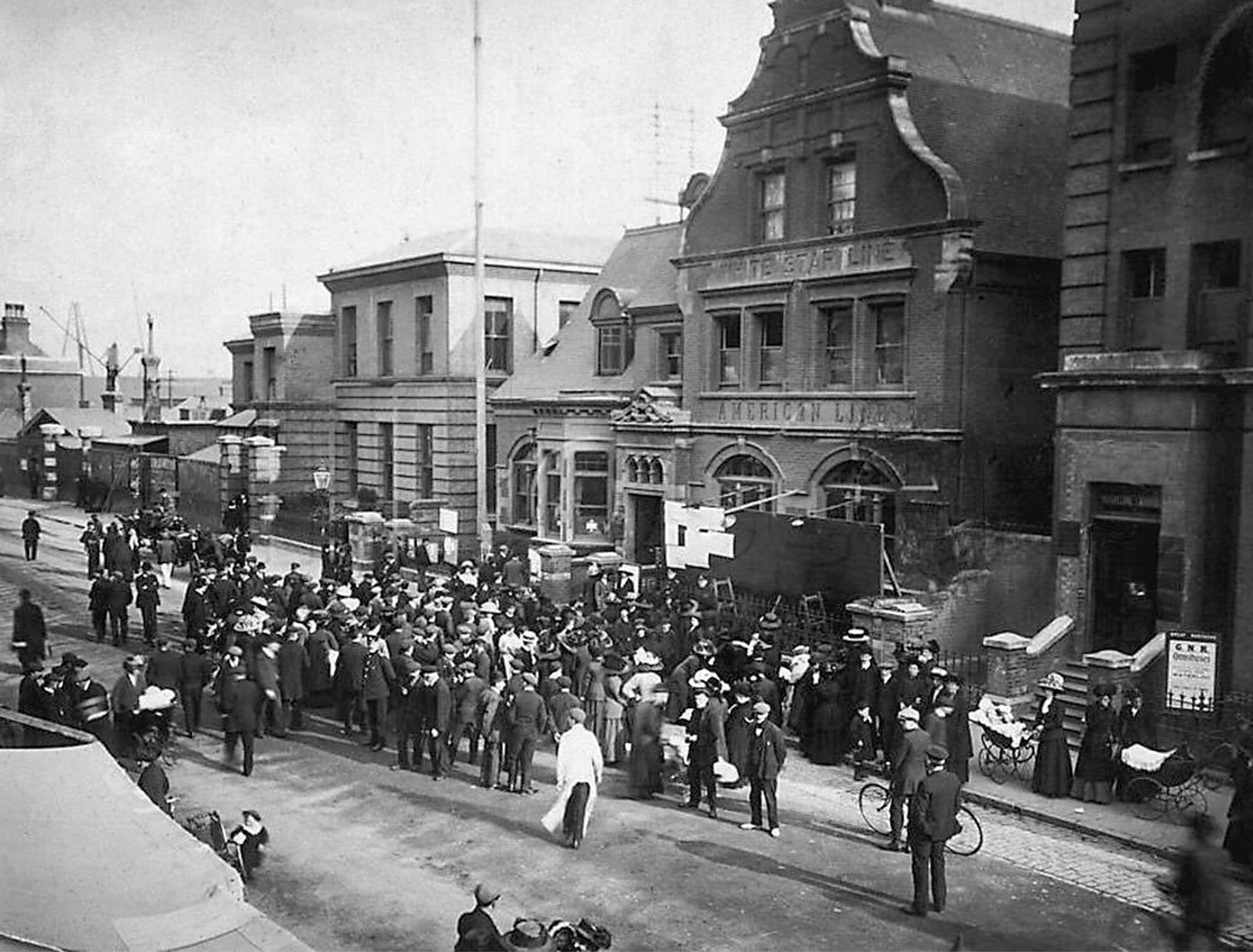
On the 10th of April 1912, Titanic set off on her maiden voyage to New York from the Southampton’s White Star Dock with 920 passengers on board; 179 First Class, 247 Second Class, and 494 in Third Class. With them, were the 908 ship’s crew. At her first port of call at Cherbourg, France, she embarked more passengers, and then finally, at Queenstown (now Cobh), Ireland, completed her compliment of approximately 2,229 passengers and crew.
At 1:30 p.m., on Thursday the 11th of April 1912, under cloudy skies and a brisk headwind, Titanic left Queenstown for the start of her ill-fated voyage to New York. After two relatively calm days sailing, and then hitting some heavy weather on the 14th, Titanic moved into the clear, calm and very cold waters off the coast of Newfoundland.


Despite a series of warnings from other ships of drifting ice in the area, Titanic’s captain E. J. Smith continued to steam at full speed, which was standard practice at the time. Although the ship was not trying to set a speed record, timekeeping was a priority, and under prevailing maritime practices, ships were often operated at close to full speed, with ice warnings seen as advisories and reliance placed upon lookouts and the watch on the bridge. It was generally believed that ice posed little danger to large vessels.
At 11:40 p.m. (ship’s time) on the 14th of April, lookout Frederick Fleet spotted an iceberg immediately ahead of Titanic and alerted the bridge. First Officer William Murdoch ordered the ship to be steered around the obstacle and the engines to be reversed, but it was too late; the starboard side of Titanic struck the iceberg, creating a series of holes below the waterline. Five of the ship’s watertight compartments were breached and it soon became clear that the ship was doomed, as she could not survive more than four compartments being flooded. Titanic began sinking bow-first, with water spilling from compartment to compartment as her angle in the water became steeper.
Those onboard Titanic were ill-prepared for such an emergency. In accordance with accepted practices of the time, as ships were seen as largely unsinkable and lifeboats were intended to transfer passengers to nearby rescue vessels, Titanic only had enough lifeboats to carry about half of those on board; if the ship had carried her full complement of about 3,339 passengers and crew, only about a third could have been accommodated in the lifeboats. The crew had not been fully trained to carry out an evacuation and the officers did not know how many they could safely put into the lifeboats. Many of the boats were launched barely half-full. Many of the Third-Class passengers were largely left to fend for themselves, causing many of them to become trapped below decks as the ship filled with water. The “women and children first” protocol was generally followed when loading the lifeboats, and the majority of the male passengers and crew were left aboard.
Between 2:10 and 2:15 a.m., a little over two and a half hours after Titanic struck the iceberg, her rate of sinking suddenly increased as the boat deck dipped underwater, and the sea poured in through open hatches and grates. As her unsupported stern rose out of the water, exposing the propellers, the ship broke in two main pieces between the second and third funnels, due to the immense forces on the keel. With the bow underwater, and air trapped in the stern, the stern remained afloat and buoyant for a few minutes longer, rising to a nearly vertical angle with hundreds of people still clinging to it, before foundering at 2:20 am. It was long generally believed the ship sank in one piece; but the discovery of the wreck many years later revealed that the ship had broken fully in two. All remaining passengers and crew were immersed in lethally cold water with a temperature of −2 °C (28 °F).


Images 20th Century Fox
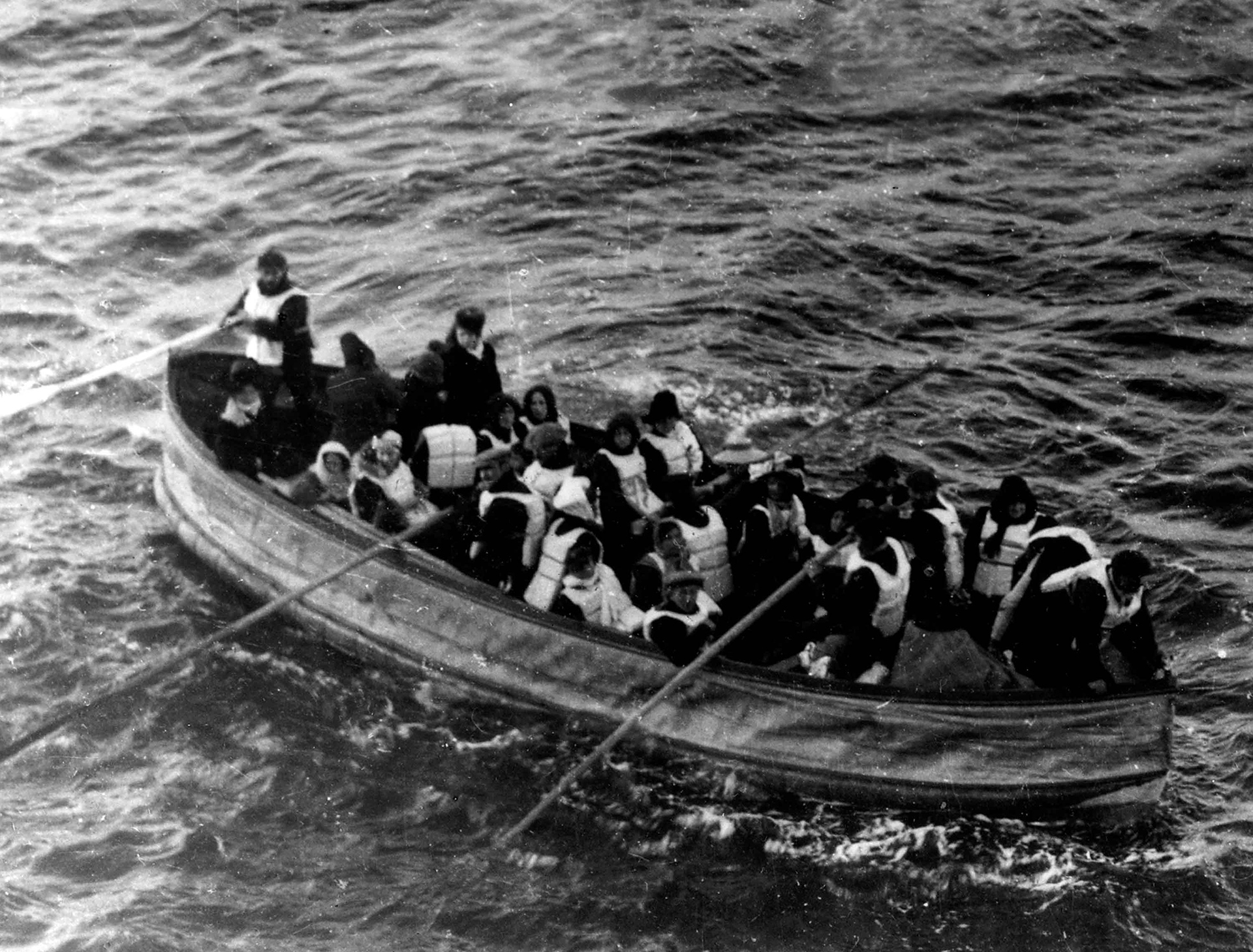
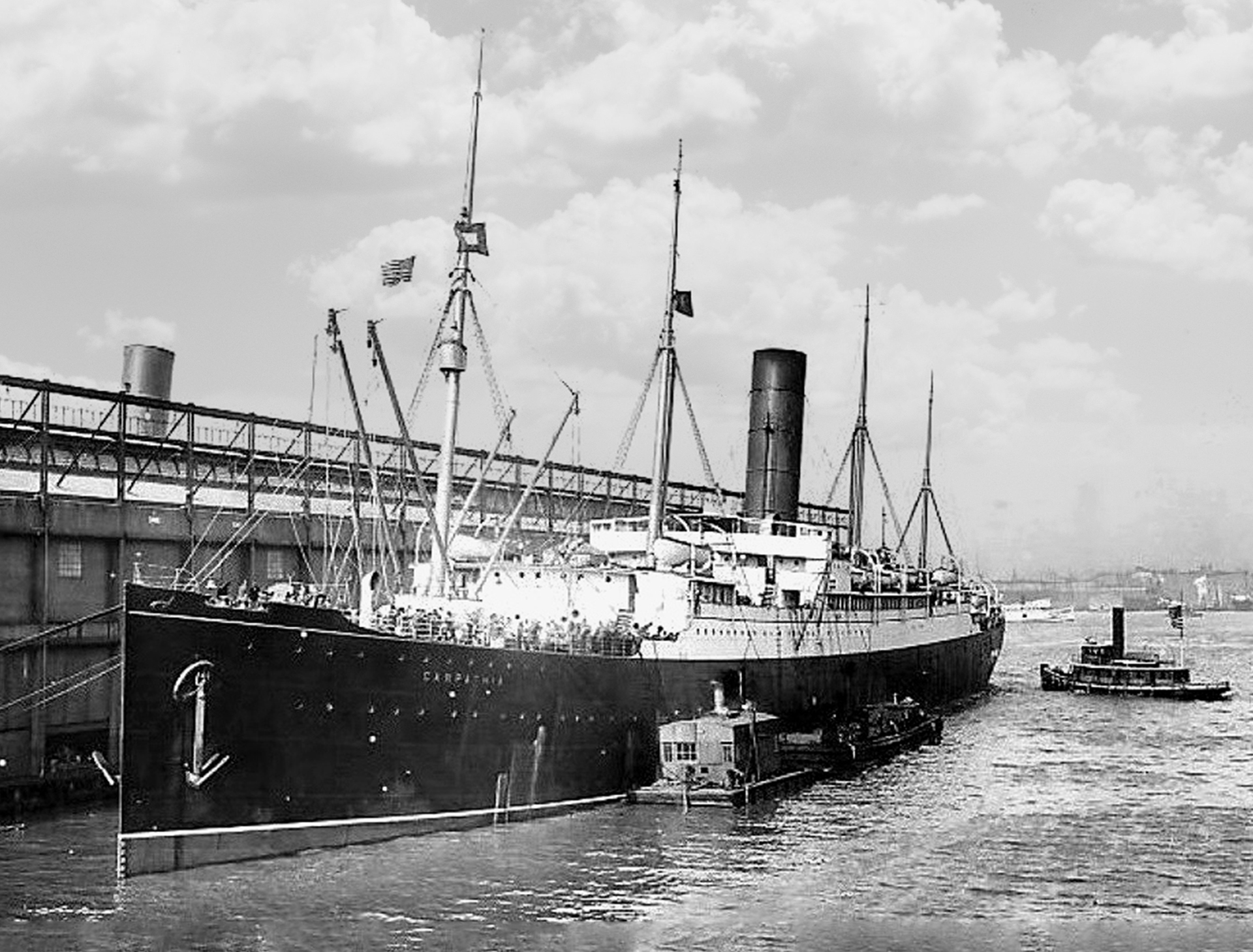
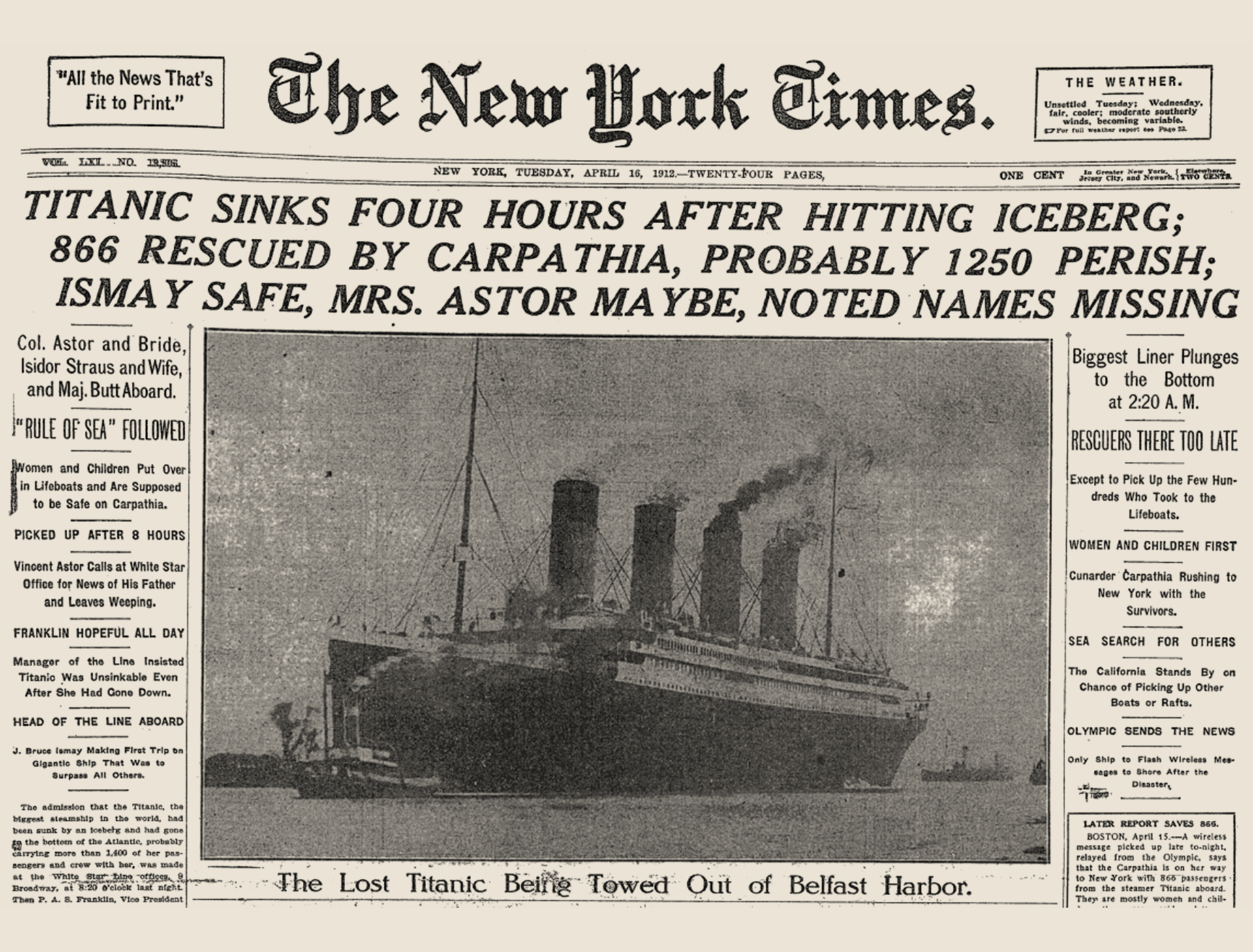
Distress signals were sent by wireless, rockets, and lamp, but none of the ships that responded were near enough to reach Titanic before she sank. It was around 4 a.m. that R.M.S. Carpathia arrived on the scene, in response to Titanic’s earlier distress calls.
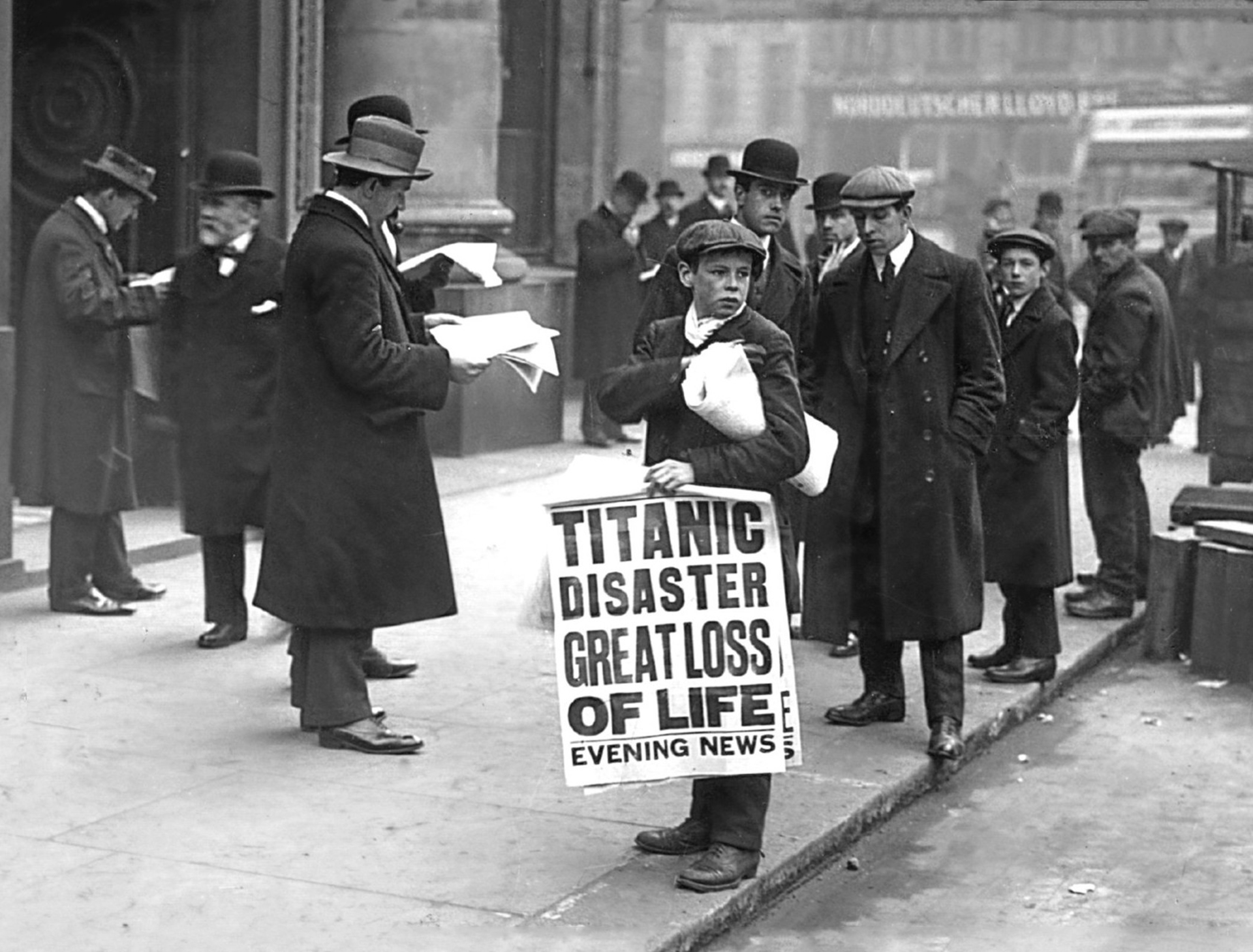
About 710 people survived the disaster and were conveyed by Carpathia to New York, Titanic‘s original destination, while somewhere between 1,490 and 1,635 lost their lives, including Titanic’s captain Smith. Carpathia’s captain described the place as an ice field that had included 20 large bergs measuring up to 200 feet (61 m) high and numerous smaller bergs, as well as ice floes and debris from Titanic; passengers described being in the middle of a vast white plain of ice, studded with icebergs.
Both an American inquiry by the US Senate, and a British Inquiry by the Board of Trade concluded that there were not enough lifeboats, that Captain Smith failed to take proper heed of ice warnings, that lifeboats were not filled properly, and that the collision was the direct result of steaming into a dangerous area at too high a speed. The results and recommendations from both inquiries historically changed maritime safety regulations with regard to the number of lifeboats that should be carried, mandatory lifeboat training and drills be carried out, and that wireless equipment be manned around the clock on passenger liners.


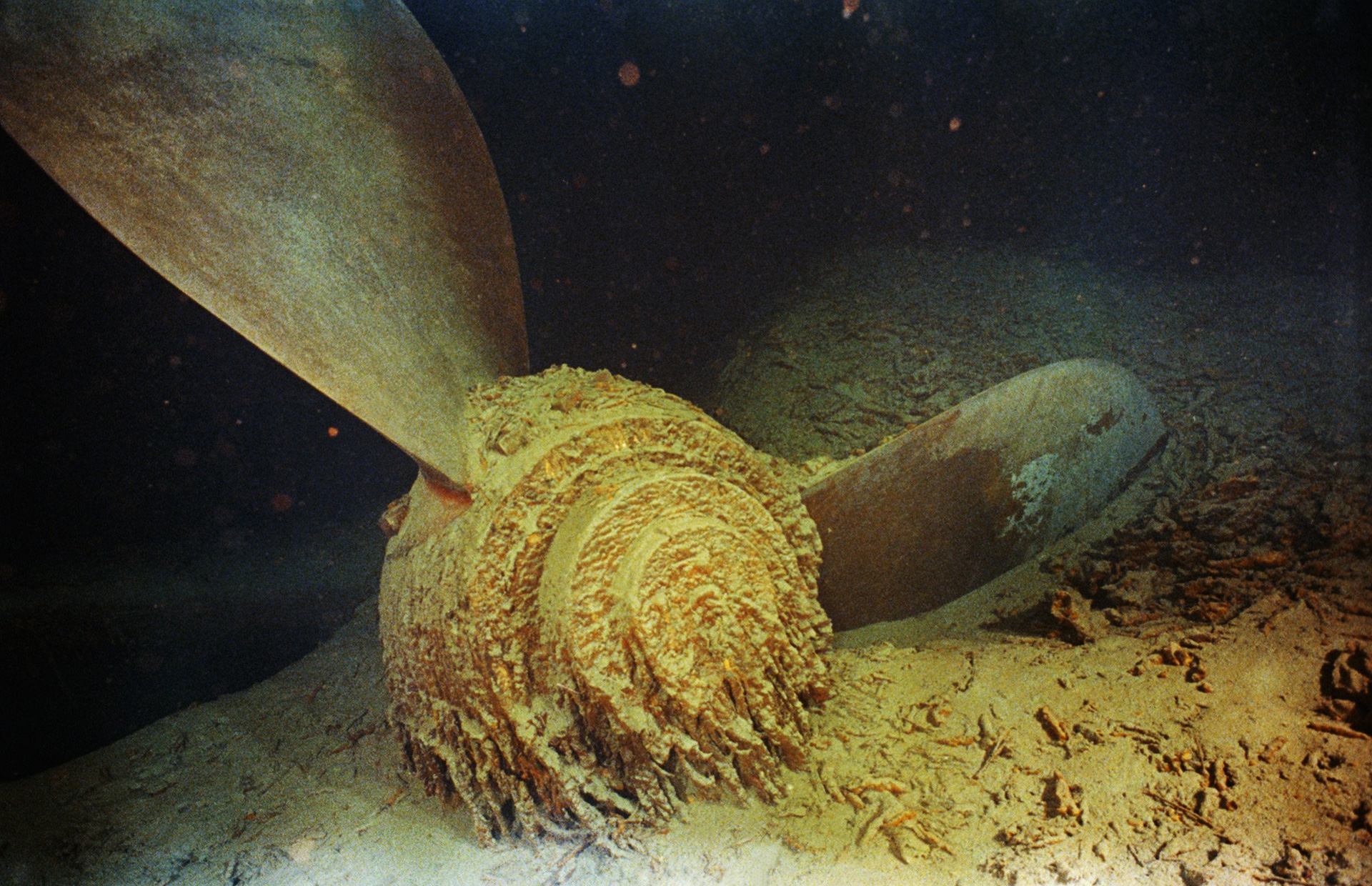
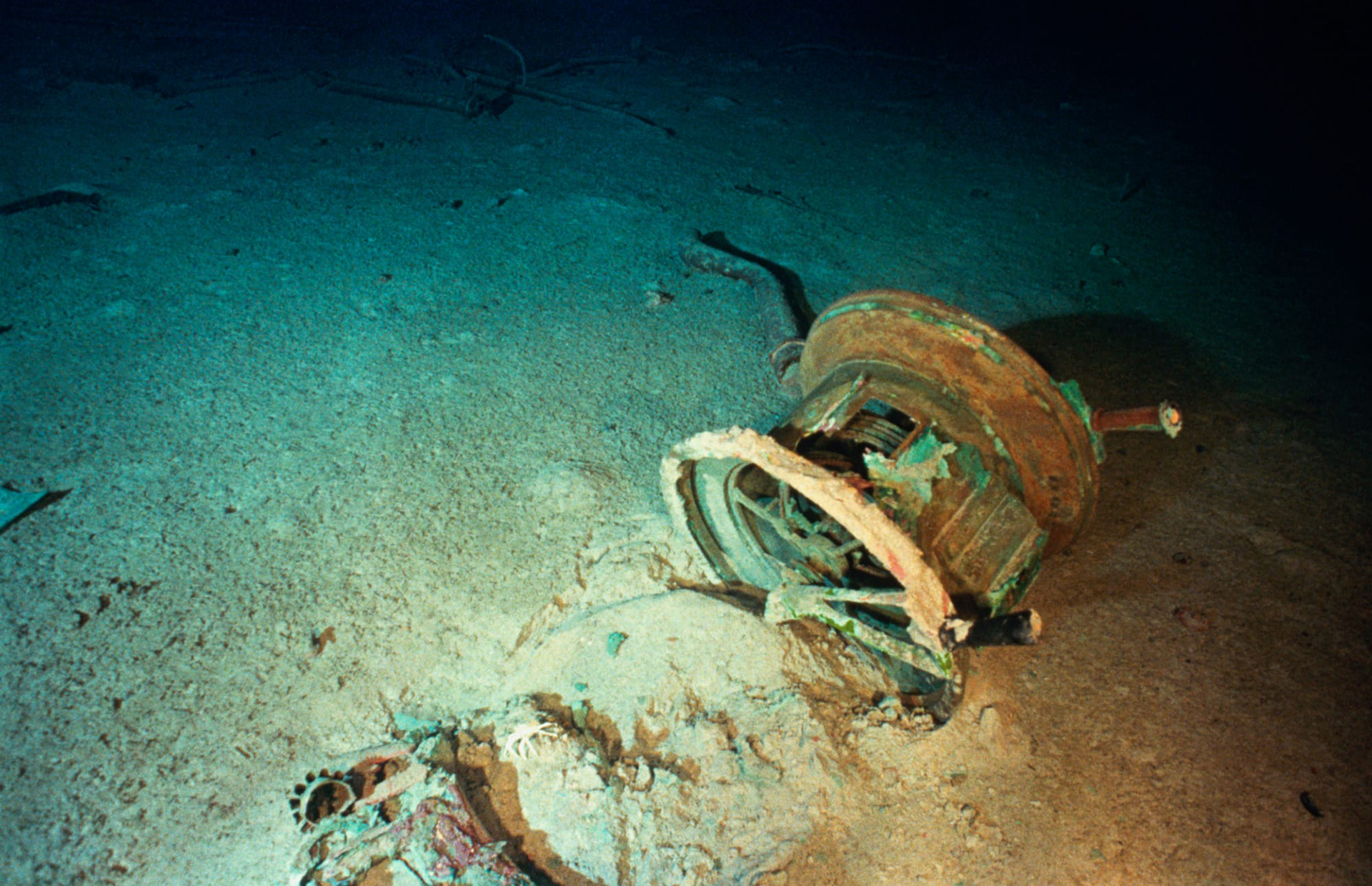
Titanic had sunk to the seabed in over 12,500 feet (3,700 metres) of water, and due to the enormous difficulties in exploring waters that deep, the wreck was not positively identified until 1985, by a Franco-American expedition led by Jean-Louis Michel of IFREMER and Robert Ballard of the Woods Hole Oceanographic Inititute. The separated bow and stern sections lie about a third of a mile (0.6 km) apart in Titanic Canyon off the coast of Newfoundland. They are located 13.2 miles (21.2 km) from the inaccurate coordinates given by Titanic’s radio operators on the night of her sinking, and approximately 715 miles (1,151 km) from Halifax and 1,250 miles (2,012 km) from New York. The two sections are surrounded by a debris field measuring approximately 5 by 3 miles (8.0 km × 4.8 km).
Since its discovery, the wreck has been revisited on numerous occasions by explorers, scientists, filmmakers, tourists and salvagers, who have recovered thousands of items from the debris field for conservation and public display. The ship’s condition has deteriorated significantly over the years, particularly from accidental damage by submersibles but mostly because of an accelerating rate of growth of iron-eating bacteria on the hull. It is uncertain just how long the wreck will survive, but some scientists say Titanic may be just a pile of rust in thirty years time.
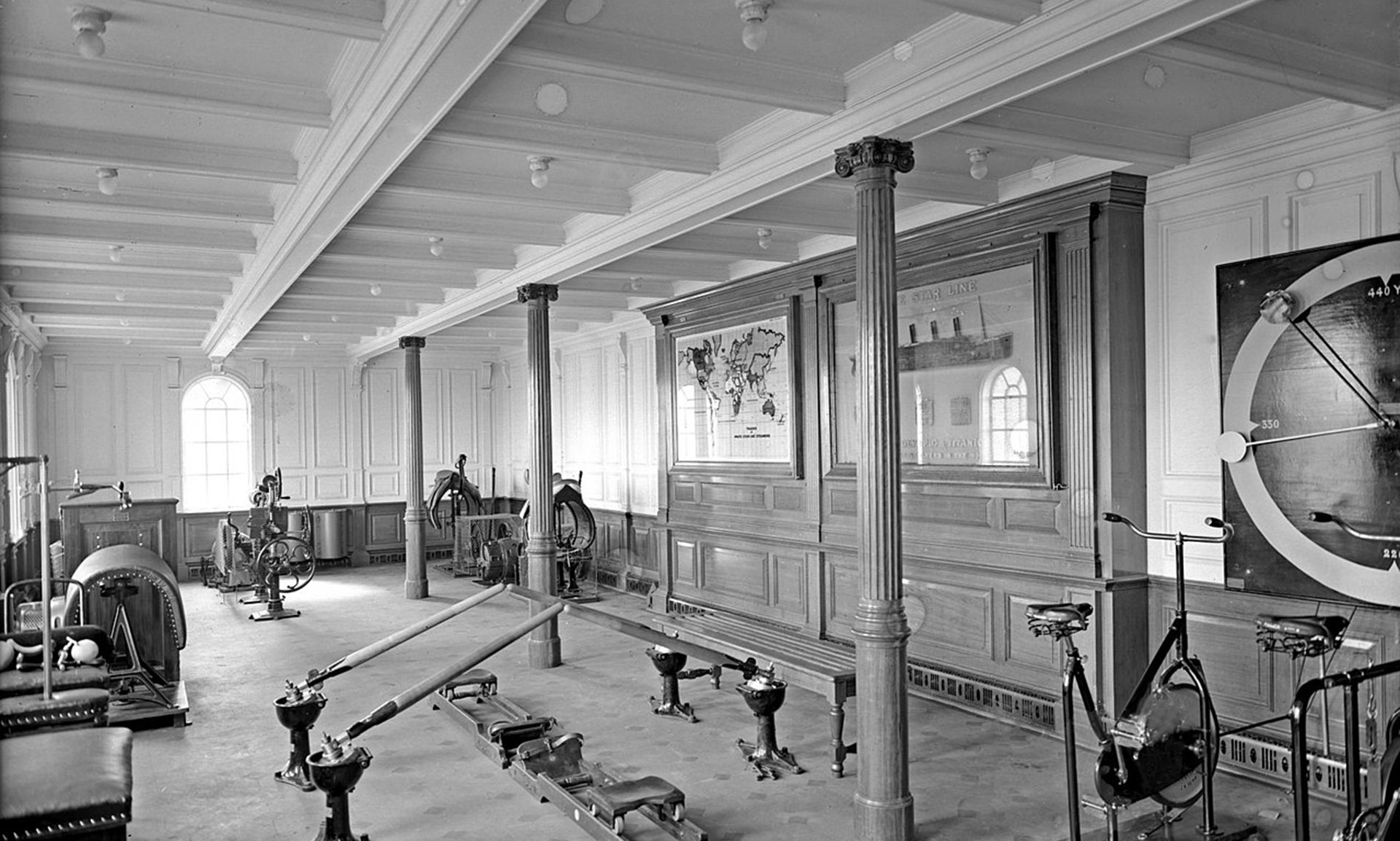


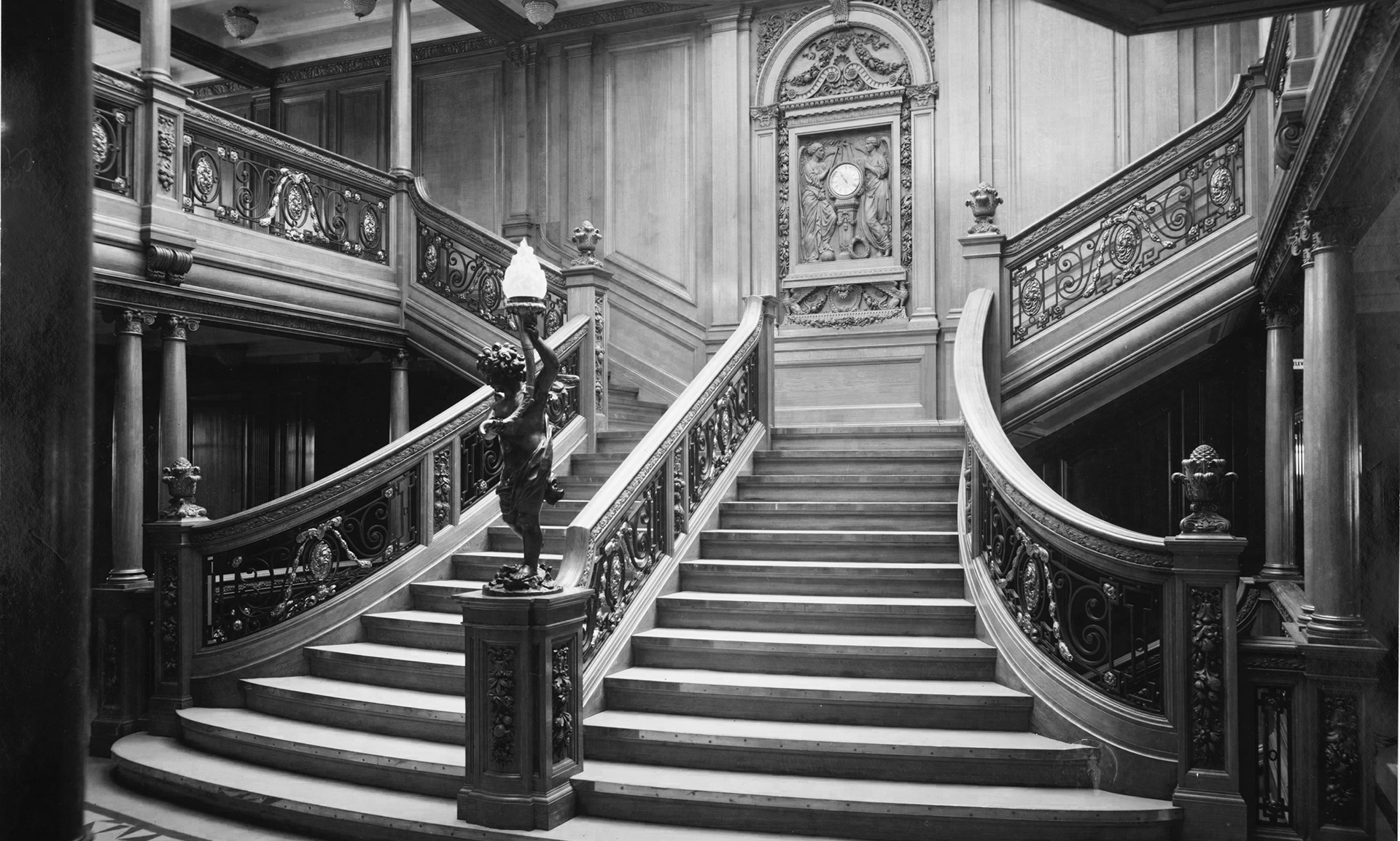
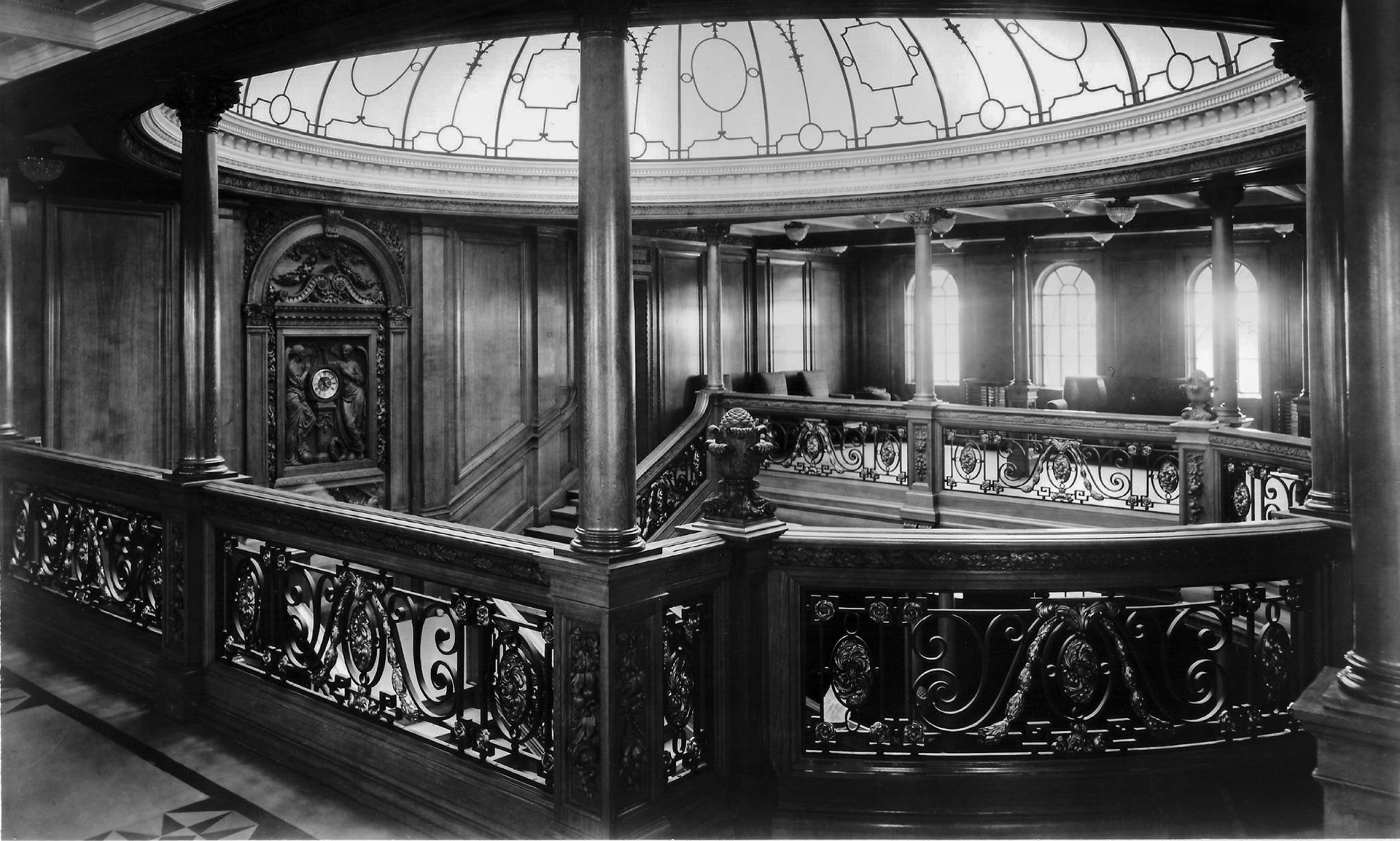
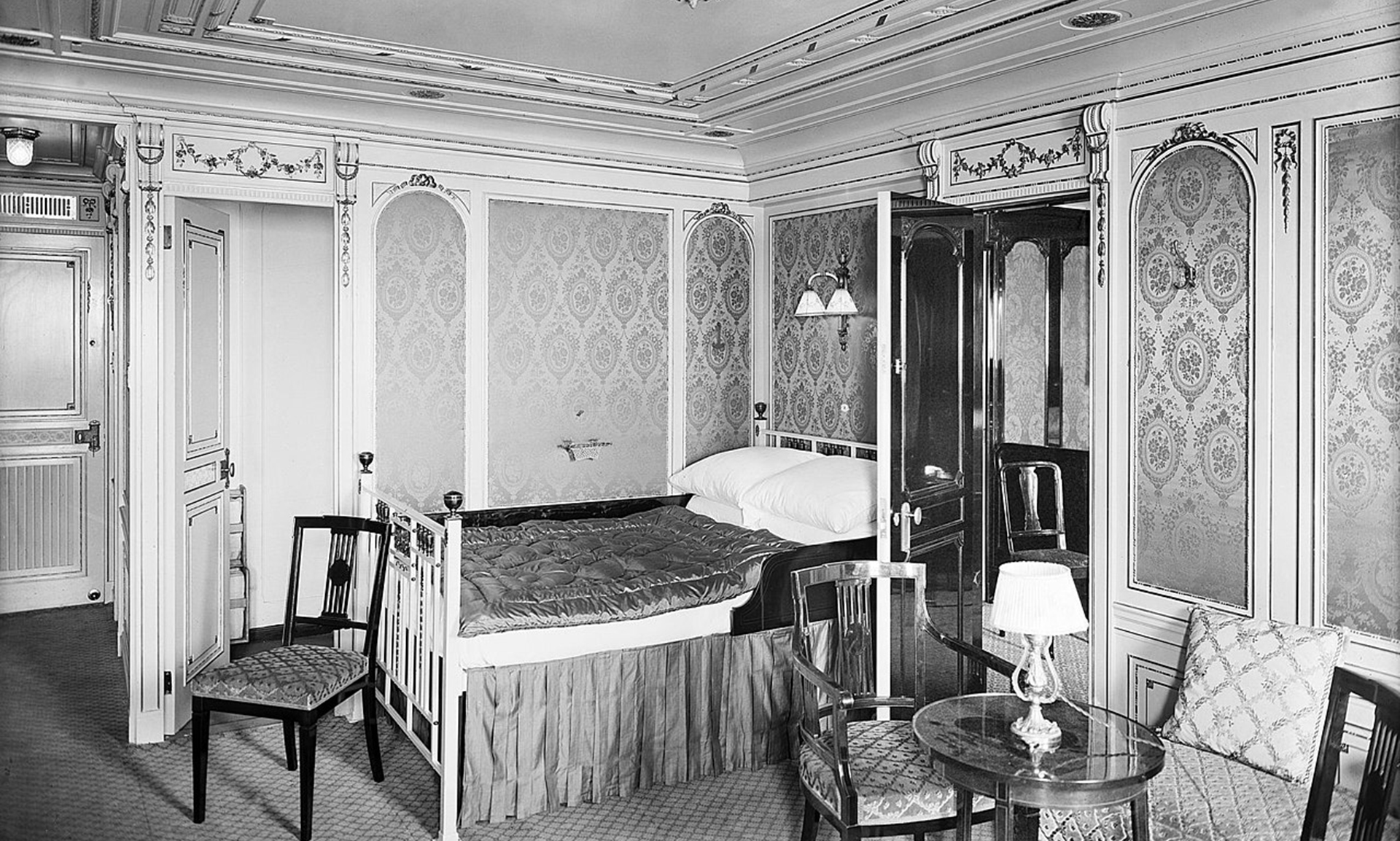
There are less than one hundred photographs of Titanic, and for those that do exist, they were mostly taken by the professional photographer Robert Welch. There is of course the Father Browne collection and the Odell Album, the only on-board photographs taken on Titanic’s maiden voyage, on the leg from Southampton to Queenstown. In addition, there is the Kempster Album featuring photographs of Titanic’s launch and at Harland & Wolff, and finally, a small number of photographs taken by Robert Barker of the Cork Examiner. Out of all of these photographs, there are very few of Titanic’s interior. The interiors of Titanic, and her sister ship Olympic, were virtually identical, and in order to appreciate the splendour of their lavishness, a selection is shown here.